Pinole Aesthetic Dentistry Creating Beautiful Smiles
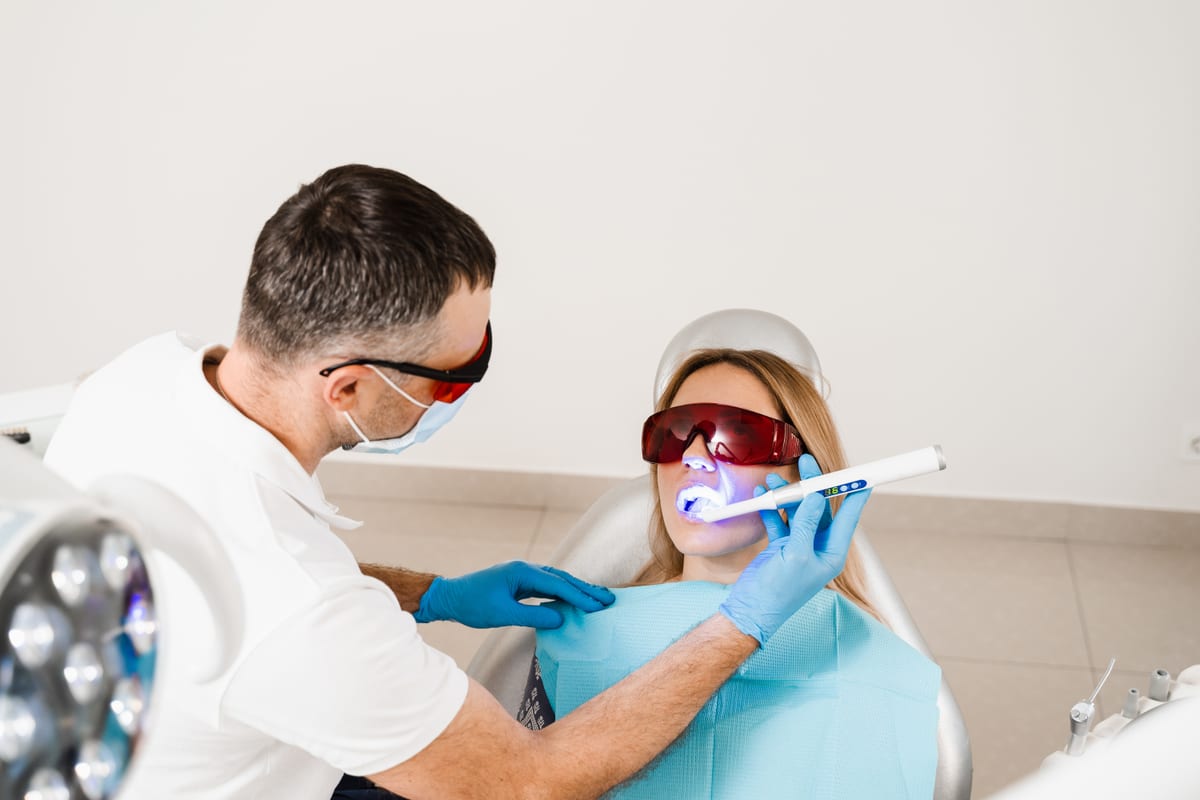
Teeth whitening is one of the most popular cosmetic treatments we offer at Pinole Aesthetic Dentistry. But will teeth whitening actually work for you in Pinole? The honest answer depends on the type of staining you have, your dental history, and your existing restorations. Dr. Shilpi Seth helps patients understand this before spending time or money on a treatment that may not deliver results. This guide will help you self-screen before booking your appointment.
How Teeth Whitening Works and Why It Matters for Candidacy
Whitening products use peroxide-based agents to break apart stain molecules in tooth enamel. This process works specifically on natural tooth structure. It does not affect crowns, veneers, bonding, or other dental restorations. Understanding this distinction is the first step in figuring out whether whitening is right for you.
There are two categories of tooth discoloration: extrinsic and intrinsic. Extrinsic stains sit on the outer surface of your teeth. Intrinsic stains live deeper inside the tooth structure. Whitening treatments address extrinsic stains far more effectively than intrinsic ones. Knowing which type you have helps set realistic expectations.
Common causes of extrinsic staining include coffee, tea, red wine, and tobacco. These patients typically see the best whitening results. If your stains come from deeper causes, we will walk you through other options that may work better for your smile.
Who Gets the Best Whitening Results in Pinole
Ideal whitening candidates share a few key traits. They have natural teeth with healthy enamel. Their staining is primarily surface-level and caused by diet or lifestyle habits. They have no significant dental restorations on their front teeth.
Great candidates for whitening include people who:
- Drink coffee, tea, or red wine regularly
- Have yellowed teeth due to aging
- Use tobacco products and want a fresher appearance
- Have never whitened before and have natural enamel intact
- Are in good overall oral health with no active decay or gum disease
Patients in this group often see dramatic results with professional whitening. Dr. Seth may recommend in-office treatment or take-home trays depending on your goals and timeline. Either way, natural teeth with surface staining respond well to peroxide-based agents.
It is also important to address any existing dental issues first. Active cavities or gum inflammation should be treated before whitening begins. Whitening on compromised teeth can cause sensitivity or uneven results. Dental Care Essentials Pinole covers the foundational treatments that prepare your mouth for cosmetic work.
Who May Not See Results — And Why
Not everyone is a strong whitening candidate. Several conditions limit how well whitening works. Recognizing these early saves you time and helps you find a better solution sooner.
Whitening is unlikely to work well if you have:
- Crowns or veneers on your front teeth — these do not respond to peroxide
- Tooth-colored bonding or composite restorations that will stay their current shade
- Intrinsic stains caused by tetracycline antibiotics taken during childhood
- Fluorosis — white spots or streaks from excess fluoride exposure
- Staining from medications like minocycline or antihistamines
- Naturally grey or blue-toned teeth, which resist whitening more than yellow tones
Tetracycline staining is one of the most challenging cases. These stains are embedded deep in the dentin layer. Even aggressive whitening protocols show limited results with this type of discoloration. Dr. Seth may recommend veneers or dental crowns as an alternative approach.
If your front teeth already have crowns or veneers, whitening the surrounding natural teeth can create a mismatch. Restorations will not lighten, but your natural teeth will. This uneven result is something we help patients avoid through a proper pre-treatment evaluation.
Alternatives When Whitening Will Not Work for You
When whitening is not the right fit, other cosmetic options can still give you a brighter smile. Veneers are thin porcelain shells placed over the front surface of your teeth. They cover intrinsic stains, discoloration, and chips in one treatment. Veneers are a strong option for patients with tetracycline staining or existing restorations.
Dental crowns address teeth that are severely discolored, weakened, or structurally damaged. They fully cover the tooth and can match the shade of your natural smile. Crowns restore both function and appearance at the same time.
Dental bonding is a more conservative and affordable cosmetic option. Your dentist applies tooth-colored resin directly to the surface of the tooth. It works well for small areas of discoloration or surface damage. It is not as durable as veneers but can provide meaningful improvement.
If you experience a dental issue during or after any cosmetic treatment, do not wait to seek care. Emergency Dental Care Pinole is available to address urgent concerns and protect your investment in your smile.
What to Expect at Your Whitening Consultation with Dr. Seth
Dr. Shilpi Seth takes a personalized approach to every cosmetic consultation. She will evaluate your teeth and gums, identify the type and cause of your staining, and review your dental history. This allows her to recommend a treatment that will actually deliver results for your specific situation.
During your consultation, you can expect:
- A full visual examination of your teeth and existing restorations
- A conversation about your staining history and lifestyle habits
- An honest assessment of whether whitening will be effective for you
- A review of alternative cosmetic options if whitening is not the best fit
- A customized treatment plan tailored to your smile goals
Patients in Pinole appreciate this transparent process. There is no pressure and no one-size-fits-all recommendation. The goal is always to help you make an informed decision about your own care.
Sensitivity is a common concern for whitening patients. Dr. Seth will discuss steps to minimize discomfort before, during, and after treatment. She may recommend a lower-concentration formula or a shorter application time if you have sensitive teeth. Managing sensitivity makes the whitening experience more comfortable and more successful.
Making the Right Decision for Your Smile
Teeth whitening is an excellent option — but only when it matches your dental profile. Understanding whether you are a good candidate prevents disappointment and helps you invest in the right treatment from the start. Dr. Seth and the team at Pinole Aesthetic Dentistry are here to guide that process with honesty and care.
If you are unsure whether whitening will work for your smile, a consultation is the best next step. You will leave with clear answers and a plan that fits your needs. Book Now to schedule your appointment with our team.
Frequently Asked Questions
Will teeth whitening work on crowns or veneers?
No. Whitening agents only work on natural tooth enamel. Crowns, veneers, and bonding materials do not respond to peroxide. If you have restorations on your front teeth, whitening may create an uneven appearance. Dr. Seth can recommend cosmetic options that address your whole smile consistently.
Can whitening fix tetracycline staining?
Tetracycline stains are deeply embedded in the dentin and are very resistant to whitening. Most patients with this type of staining see minimal improvement from bleaching treatments. Porcelain veneers are often a more effective solution. Dr. Seth will evaluate your specific case and recommend the most appropriate approach.
How long do whitening results last in Pinole?
Results typically last between six months and two years. Longevity depends on your diet, oral hygiene habits, and whether you use tobacco. Avoiding staining foods and beverages helps extend results. Periodic touch-up treatments can also maintain your brighter smile over time.
Is professional whitening better than over-the-counter kits?
Professional whitening uses stronger concentrations of bleaching agents under controlled conditions. This typically delivers faster and more noticeable results than store-bought strips or trays. It also includes a professional evaluation to confirm you are a good candidate. Over-the-counter options can be useful for maintenance but are less effective for significant staining.
What if my teeth are sensitive — can I still whiten?
Many patients with sensitive teeth can still whiten safely with the right precautions. Dr. Seth may recommend a lower-concentration formula, shorter treatment sessions, or a desensitizing gel. It is important to discuss sensitivity during your consultation so the treatment plan accounts for your comfort. Whitening with professional guidance reduces the risk of increased sensitivity.