Pinole Aesthetic Dentistry Creating Beautiful Smiles
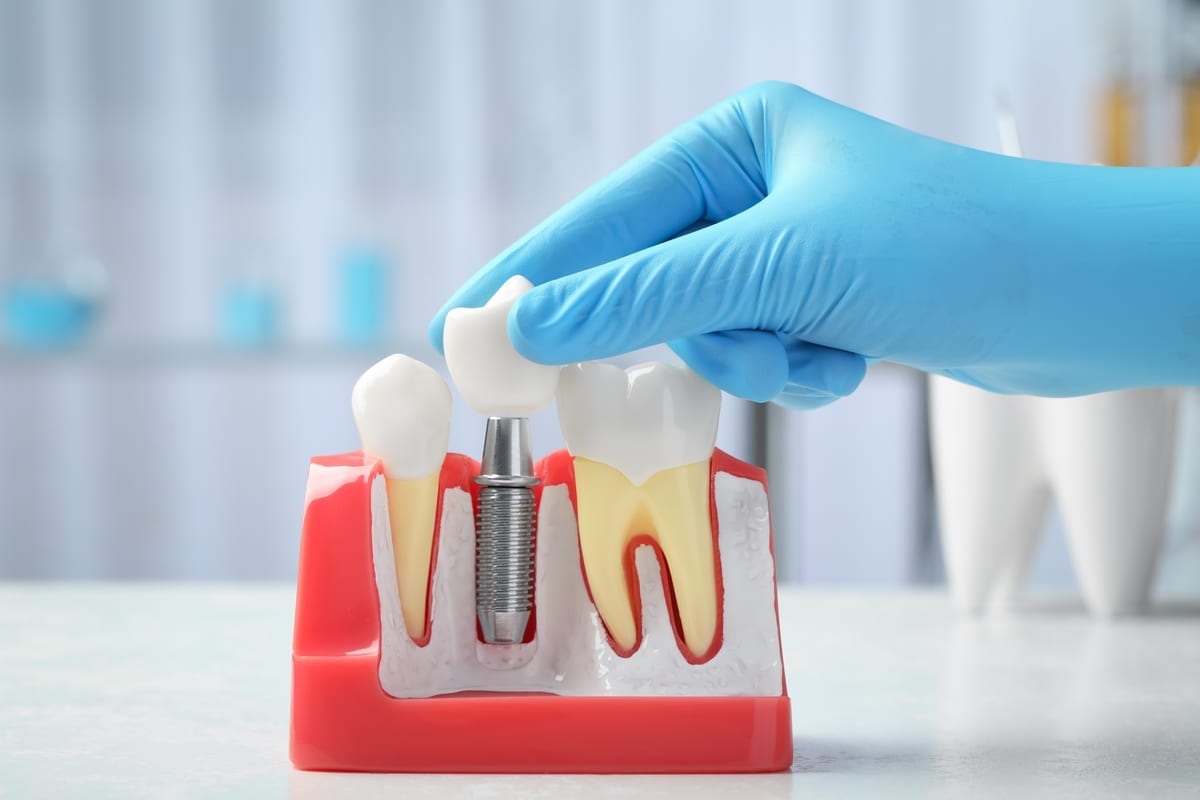
Dental crowns last 15 years on average — sometimes much longer. But many Pinole patients are surprised when their crown fails well before that milestone. Understanding what shortens a crown’s lifespan can help you protect your smile and your investment. Dr. Shilpi Seth at Pinole Aesthetic Dentistry sees these preventable problems regularly.
Whether you already have a crown or you’re considering one, this guide covers everything you need to know. We’ll explain how long crowns realistically last, what damages them early, and the warning signs that signal it’s time for a replacement.
How Long Do Dental Crowns Actually Last in Pinole?
The 15-year benchmark is real — but it’s an average, not a guarantee. Some crowns last 25 or 30 years with excellent care. Others fail in five years due to avoidable habits and conditions. The material of your crown plays a major role in durability.
Porcelain-fused-to-metal crowns are common and strong. All-ceramic crowns look the most natural but can chip under heavy force. Gold crowns are extremely durable but less popular for visible teeth. Dr. Seth will help you choose the right material based on your bite, location, and lifestyle.
Daily habits matter just as much as material choice. Two patients can receive identical crowns and experience very different results. The difference usually comes down to what they do — and don’t do — after the procedure.
What Ruins Dental Crowns Early — The Top Culprits
Many Pinole patients damage their crowns without realizing it. The most common causes of early crown failure are surprisingly everyday habits. Here are the biggest threats to your crown’s longevity:
- Teeth grinding (bruxism): Nighttime grinding puts enormous pressure on crowns. It wears down the surface and can crack the material over time.
- Chewing hard foods: Ice, hard candies, popcorn kernels, and crusty bread can chip or fracture a crown unexpectedly.
- Poor oral hygiene: Bacteria accumulate at the gumline around the crown. This leads to decay in the natural tooth underneath — a condition called recurrent decay.
- Nail biting or chewing on pens: These habits place repetitive stress on crowns and can loosen the cement bond over time.
- Skipping dental check-ups: Small issues go undetected without regular exams. Minor problems become major failures fast.
Teeth grinding deserves special attention. Many people grind during sleep and have no idea. Signs include jaw soreness in the morning, worn tooth edges, and frequent headaches. A custom nightguard from Dr. Seth can protect your crown significantly.
How Poor Hygiene Destroys a Crown From the Inside
A crown covers a tooth — but that tooth is still very much alive underneath. Decay can still develop at the margin where the crown meets the gumline. This is one of the most common and most overlooked causes of early crown failure.
Brushing twice daily and flossing around the crown base is non-negotiable. Many patients assume the crown itself can’t decay. The crown material won’t decay, but the natural tooth structure beneath it absolutely can. Once decay reaches the root, you may need a root canal or full extraction.
Using a fluoride toothpaste adds an extra layer of protection. An antibacterial mouthwash helps reduce bacteria at the gumline. These simple steps dramatically extend the life of your restoration. For guidance on maintaining your oral health routine, explore our Dental Care Essentials Pinole resource.
The gumline around a crown is also vulnerable to gum disease. Inflamed or receding gums expose the crown margin to bacteria. Regular professional cleanings keep this area healthy and your crown secure.
Warning Signs Your Crown Needs Replacing
Crowns don’t usually fail all at once. They send warning signs before they break down completely. Knowing these signals helps you act before a small problem becomes a dental emergency.
Watch for these signs that your crown may need attention:
- Tooth sensitivity: Pain when biting or temperature sensitivity suggests the seal may be compromised.
- Visible cracks or chips: Even small fractures in the crown can harbor bacteria and worsen quickly.
- Crown feels loose or wobbly: The cement bond may have weakened or decay may be undermining the foundation.
- Pain when chewing: This can indicate a cracked tooth underneath or recurrent decay.
- Dark line at the gumline: On older porcelain-fused-to-metal crowns, this visible metal edge can indicate gum recession.
- Crown falls off entirely: This requires prompt attention to protect the exposed tooth structure.
If your crown comes off suddenly, don’t panic. Avoid chewing on that side and contact your dentist immediately. The underlying tooth is now exposed and vulnerable. If you’re dealing with sudden crown loss or pain, our team provides Emergency Dental Care Pinole patients can rely on.
Never ignore sensitivity that lingers more than a few days. Short-term sensitivity after crown placement is normal. Persistent sensitivity weeks or months later is a red flag worth investigating.
Tips to Extend Your Crown’s Life in Pinole
The good news is that most early crown failures are preventable. A few consistent habits can add years to your restoration. Here’s how Pinole patients can protect their dental crowns:
First, wear a nightguard if you grind your teeth. This single habit change can dramatically extend crown life. Dr. Seth can fit you for a custom guard that’s comfortable and effective.
Second, be mindful of what you chew. Avoid ice, hard nuts, sticky candies, and anything that requires excessive force. These items stress the crown material unnecessarily. Your crown is strong — but it isn’t indestructible.
Third, maintain excellent oral hygiene every single day. Brush gently around the crown margin with a soft-bristle toothbrush. Floss carefully on both sides of the crown base. Consider a water flosser for extra cleaning power in tight spaces.
Finally, never skip your six-month check-ups. Professional cleanings remove buildup that daily brushing misses. Dr. Seth will monitor your crown at every visit and catch problems early. Early intervention is always less invasive and less costly than emergency repair.
Conclusion: Protect Your Crown, Protect Your Smile
Dental crowns are a significant investment in your oral health and your confidence. Most crowns do last 15 years or longer — but only with the right care. Understanding the risks is the first step toward avoiding them. Pinole patients who stay proactive get the most from their restorations.
At Pinole Aesthetic Dentistry, Dr. Shilpi Seth is committed to helping you understand and protect every aspect of your dental health. If you have concerns about an existing crown or want to explore your options, we’re here to help. Book Now to schedule your appointment with our team.
Frequently Asked Questions
How long do dental crowns typically last?
Dental crowns last an average of 15 years, though many last 20 to 30 years with proper care. The lifespan depends on the crown material, your oral hygiene habits, and whether you grind your teeth. Regular dental visits help catch early signs of wear before they become serious problems.
Can a tooth under a crown still get a cavity?
Yes, absolutely. The crown material itself won’t decay, but the natural tooth structure beneath it can. Bacteria that accumulate at the crown margin can cause decay at the gumline or underneath the crown. Brushing, flossing, and regular cleanings are essential to prevent this from happening.
What should I do if my dental crown falls off?
If your crown falls off, avoid chewing on that side of your mouth and contact your dentist as soon as possible. The exposed tooth is vulnerable to damage and sensitivity. In many cases, the crown can be re-cemented if it’s intact. Prompt attention helps prevent further complications.
Does teeth grinding really damage dental crowns?
Yes, teeth grinding is one of the leading causes of premature crown failure. The repetitive pressure wears down the crown surface and can cause cracks or fractures. A custom-fitted nightguard can protect your crown while you sleep. Ask Dr. Seth if a nightguard is right for you.
How do I know if my dental crown needs to be replaced?
Common signs include tooth sensitivity, visible chips or cracks, a loose feeling, pain when chewing, or a dark line at the gumline. If your crown falls off entirely, that also signals immediate replacement is needed. Schedule a dental exam if you notice any of these symptoms — early action prevents more complex treatment later.