Pinole Aesthetic Dentistry Creating Beautiful Smiles
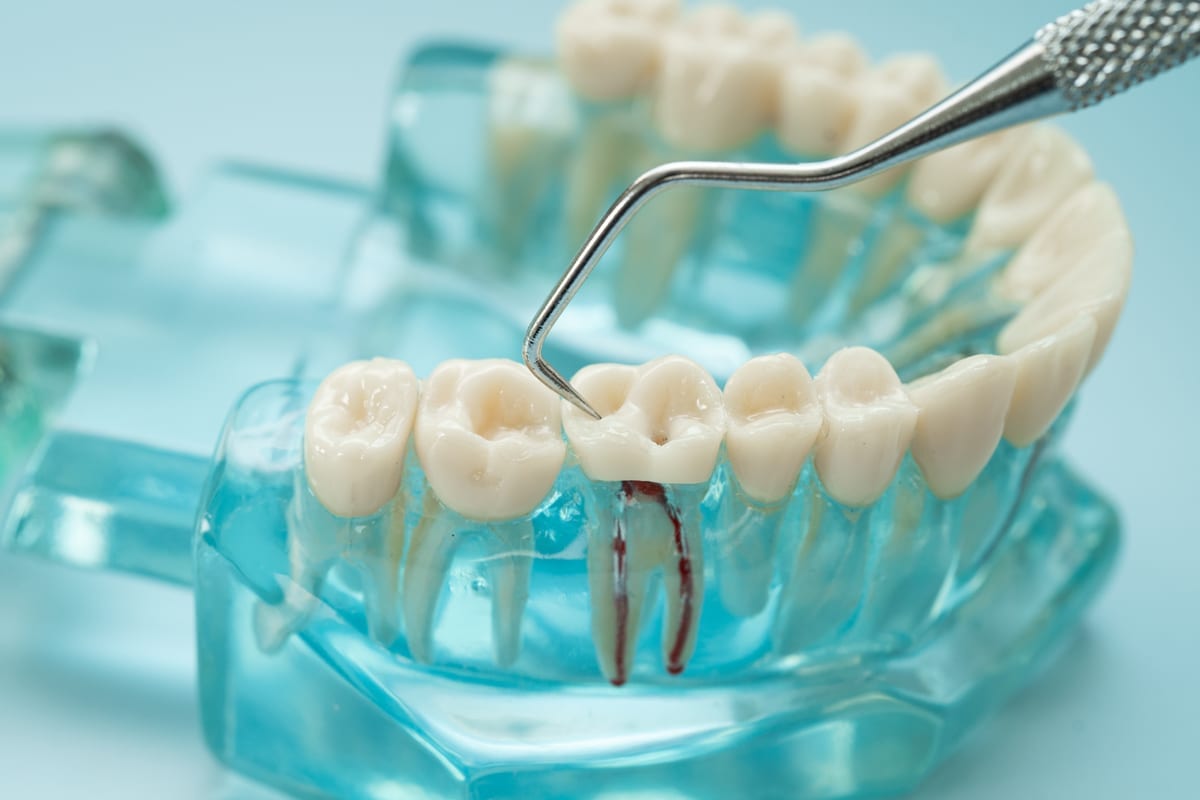
Few dental procedures carry more fear than a root canal. Most patients in Pinole, CA ask the same question before their appointment: does a root canal really hurt? The honest answer might surprise you. Thanks to what modern anesthesia actually does, most patients feel far less discomfort than they expect. Understanding exactly what happens during and after the procedure can replace fear with confidence.
Why Root Canals Have a Bad Reputation
The fear around root canals comes from decades-old experiences. Older anesthetic techniques were less precise and slower to take effect. Today, those methods have been replaced by faster, more effective options that dramatically change what patients feel.
The infection itself — not the procedure — is usually what causes the intense pain people remember. By the time a root canal is performed, that infection-driven pain is already making life difficult. The treatment is designed to relieve that pain, not add to it.
Many patients also fear the unknown. When you understand each step of the process, the procedure feels far less intimidating. Dr. Shilpi Seth at Pinole Aesthetic Dentistry takes time to walk every patient through what to expect before treatment begins.
What Modern Anesthesia Actually Does During a Root Canal in Pinole
Modern local anesthesia works by blocking nerve signals in the treatment area. Dr. Seth administers the anesthetic carefully, targeting the specific nerve pathways connected to the affected tooth. Within minutes, the area becomes fully numb.
You may feel slight pressure or movement during the procedure. That is completely normal. Pressure does not equal pain — it simply means the instruments are doing their job inside the tooth.
In some cases, infected tissue can make anesthesia slightly harder to achieve immediately. When that happens, Dr. Seth uses supplemental techniques to ensure complete comfort before proceeding. No step of the procedure begins until you confirm the area feels fully numb.
- Local anesthesia blocks nerve signals quickly and effectively
- Supplemental injections are available if the first dose needs reinforcement
- You remain fully conscious and in control throughout the process
- Modern numbing agents last long enough to cover the entire procedure
- Topical anesthetic is applied before any injection to reduce needle discomfort
What You Actually Feel During the Procedure
Once anesthesia takes effect, most patients feel surprisingly little. The most common sensations are pressure, vibration, and occasional movement. These are caused by the instruments cleaning and shaping the inside of the tooth.
Some patients feel mild sensitivity if a particularly inflamed area is touched. This passes quickly and does not reach the level of pain most people anticipate. Communicating with Dr. Seth during the procedure ensures any discomfort is addressed immediately.
Dental anxiety is real, and it is taken seriously at Pinole Aesthetic Dentistry. If you feel nervous, simply raise your hand — treatment stops until you feel ready to continue. That level of patient control makes a significant difference in how the experience feels overall.
Most root canal appointments take between 60 and 90 minutes. Complex cases or severely curved canals may require a second visit. Either way, the procedure itself should feel manageable from start to finish.
What Recovery Actually Looks Like After a Root Canal
After the anesthesia wears off, some soreness is normal. The tissue around the tooth has been worked on, and mild inflammation is a natural response. This discomfort is typically manageable with over-the-counter pain relievers.
Most patients return to normal daily activities within 24 to 48 hours. The soreness usually peaks on the first day and steadily decreases after that. Eating soft foods for a day or two helps the area settle comfortably.
- Take over-the-counter anti-inflammatory medication as directed
- Avoid chewing on the treated side for the first 24 hours
- Stick to soft foods like yogurt, soup, and mashed vegetables
- Avoid very hot or very cold foods while sensitivity lingers
- Attend your follow-up appointment to have a crown placed over the tooth
Significant pain that worsens after 48 hours should be reported to your dentist. That could indicate a complication needing prompt attention. If you ever experience unexpected pain after a dental procedure, Emergency Dental Care Pinole is available through Pinole Aesthetic Dentistry to help you quickly.
How to Prepare for a Comfortable Root Canal Experience
Preparation makes a noticeable difference in how patients experience root canal treatment. Getting a good night’s sleep before your appointment helps your body respond better to anesthesia. Eating a light meal beforehand is also recommended since the numbness makes eating difficult for a few hours after.
Tell Dr. Seth about any anxiety you have before the appointment. Knowing your concerns allows the team to adjust the approach and provide additional reassurance where needed. Open communication is the foundation of a comfortable dental experience.
Staying consistent with routine dental care reduces the likelihood of needing complex procedures in the first place. Good preventive habits protect your teeth long-term. For practical guidance on daily habits and checkups, explore the Dental Care Essentials Pinole resources available at Pinole Aesthetic Dentistry.
Understanding what modern anesthesia actually does removes much of the anxiety around root canals. Dr. Seth and the team are committed to making every patient in Pinole feel informed and at ease before, during, and after treatment.
Conclusion: Pain Is Not What You Should Expect
The reputation of root canals does not match the modern reality. With precise anesthesia techniques, clear patient communication, and experienced hands, a root canal today is far closer to a routine filling than the ordeal many people imagine. Most patients leave surprised by how manageable the experience was. If a toothache, swelling, or lingering sensitivity has you worried, do not wait. Book Now to schedule your appointment with our team.
Frequently Asked Questions
Does a root canal hurt while it is happening?
No — with modern local anesthesia, the procedure itself should not be painful. You may feel pressure or vibration, but these sensations are not the same as pain. Dr. Seth ensures the area is fully numb before any treatment begins.
How long does soreness last after a root canal?
Mild soreness typically peaks within the first 24 hours and improves steadily over the next two to three days. Over-the-counter anti-inflammatory medication usually manages this discomfort effectively. Significant or worsening pain beyond 48 hours should be reported to your dentist.
What happens if the anesthesia does not fully work?
This can occasionally happen when the tooth is severely infected. In those cases, Dr. Seth uses supplemental injection techniques to achieve complete numbness before proceeding. No part of the procedure continues until you confirm you cannot feel pain in the area.
Is recovery from a root canal difficult?
Recovery is generally mild. Most patients return to their normal routine within one to two days. Soft foods, over-the-counter pain relievers, and avoiding pressure on the treated tooth help the area heal comfortably.
Why would I need a root canal in the first place?
A root canal becomes necessary when the inner pulp of a tooth becomes infected or severely inflamed. This is often caused by deep decay, a cracked tooth, or repeated dental procedures on the same tooth. The treatment removes the infected tissue and saves the natural tooth from extraction.