Pinole Aesthetic Dentistry Creating Beautiful Smiles
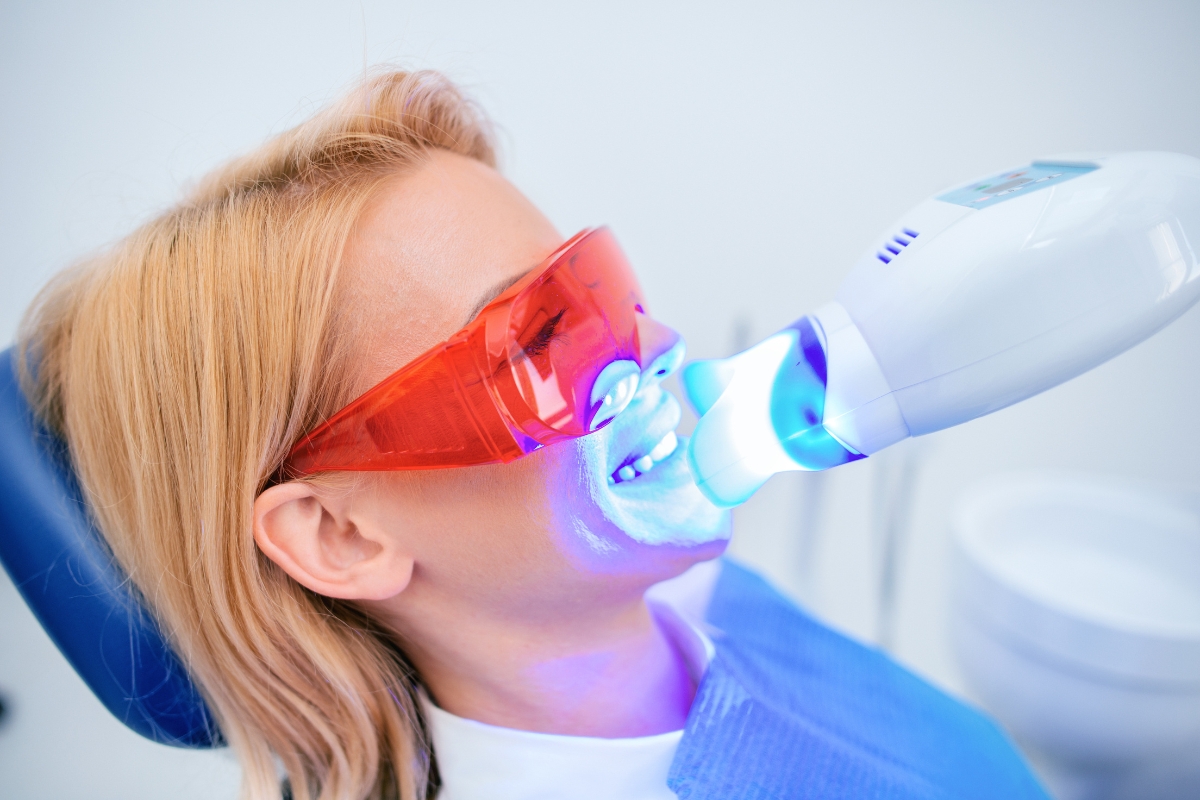
Tooth sensitivity and safety are major concerns for many individuals looking into professional teeth whitening. You are not alone if you share these feelings; many are trying to avoid what could be a painful or dangerous procedure. Yes, teeth whitening will give you a shinier smile, but it needs to address these fears first before any decision is made.
This blog will clarify the most common fears associated with professional whitening: sensitivity and safety. It also describes how dentists can assure their patients of a safe and effective procedure.
What Causes Sensitivity During Teeth Whitening?
Many people have a concern about sensitivity during teeth whitening. Hydrogen peroxide or carbamide peroxide, the active ingredients in teeth whitening products, move through the enamel into the tooth, breaking down stains. While this generally whitens teeth effectively, temporary irritation of the nerve endings in the tooth may occur.
Individuals with pre-existing conditions, such as gum recession or thin enamel, are more sensitive. It is also common for people to experience discomfort if the whitening agents touch their gums or exposed tooth roots.
Fortunately, sensitivity is usually temporary. It may begin a few hours or days following treatment. Most individuals who experience sensitivity during whitening find it to be mild and manageable. It should also be noted that professional whitening treatments, if done by a dentist, will reduce the risk of excessive discomfort and ensure a safer, more controlled process.
Is Teeth Whitening Safe?
Teeth whitening is normally safe, especially when carried out by a dental professional. Over-the-counter whitening products are cheaper, but the way they are often misused may lead to uneven results, gum irritation, or even enamel damage. Professional teeth whitening in Pinole ensures the right concentration of whitening agents used for your needs and minimizes risk.
That is where a dentist’s expertise is vital to prevent the whitening agent from hurting either the gum or the enamel of the tooth. Dentists also have treatments specifically suited for you, like putting protective gels to protect your gums.
In addition, the FDA controls teeth whitening products. It ensures that only approved and safe materials are used in performing dental treatment. You guarantee both safety and effectiveness when getting professional whitening treatment. This results in whiter teeth without preventable risk.
How to Minimize Sensitivity during Teeth Whitening
Pre-Treatment Care: Lighten sensitivity by using a desensitizing toothpaste before whitening. Cut down on acidic foods and drinks, like citrus fruits and sodas, which wear away enamel.
If you are concerned about sensitivity, be sure to tell your dentist. Your dentist may recommend a less aggressive whitening treatment or recommend fluoride treatments to help protect your teeth.
Follow-Up Care: For at least the first 24 hours following your whitening treatment, avoid very hot or very cold food and drink. These extremes can exacerbate sensitivity.
Your dentist may provide you with either a fluoride gel or a special mouth rinse to use at home, which will help to reduce discomfort and promote enamel re-mineralization. You may also use over-the-counter desensitizing gels or toothpaste.
If sensitivity persists, try a less potent whitening treatment. Some dental practices offer whitening gels with desensitizing agents for more comfort. Treatments like these are meant to cater well to people who have naturally sensitive teeth or those whose enamel layer is rather thin.
Professional teeth whitening by a dentist is safe and effective. Though sensitivity may occur in some individuals, the proper care before and after the treatment will lower the pain and discomfort. If you are skeptical about the safety of teeth whitening, rest assured that a dental professional will guide you to ensure optimal results without compromising your oral health.
Do you want to brighten your smile and whiten your teeth? Contact our dental office today for a consultation and to learn how professional teeth whitening can safely improve your smile.
FAQs
How often can I get my teeth whitened?
It’s generally safe to whiten your teeth every six months, but the frequency depends on your specific dental health and the method used. Consult your dentist for personalized advice.
Can I whiten my teeth if I have sensitive teeth?
Yes, you can still whiten your teeth if you have sensitivity. Dentists can use lower-strength whitening agents or treatments specifically designed to reduce sensitivity. Pre-treatment with desensitizing toothpaste can also help.
Can teeth whitening remove deep stains?
Professional teeth whitening is effective for most surface stains. However, deep stains caused by medication or trauma may require alternative treatments like veneers or bonding.
Is teeth whitening safe for pregnant women?
It’s recommended to avoid teeth whitening during pregnancy, as the effects of whitening agents on a developing baby are not fully understood. Always consult with your healthcare provider.
Can teeth whitening help with age-related discoloration?
Yes, teeth whitening is highly effective at treating age-related yellowing. It helps restore your teeth’s natural brightness, even if the discoloration is from aging.