Pinole Aesthetic Dentistry Creating Beautiful Smiles

If you wear dentures and notice they no longer fit the way they once did, you are not alone. Many patients in Pinole ask why their dentures feel loose and what to do about it. The answer almost always comes down to one natural process: bone resorption. Understanding why this happens — and knowing your options — can help you regain comfort and confidence in your smile. At Pinole Aesthetic Dentistry, Dr. Shilpi Seth helps patients navigate exactly this situation every day.
Why Dentures Stop Fitting Over Time in Pinole
When teeth are removed, the jawbone underneath begins to change shape. Your bone needs the stimulation of tooth roots to maintain its density and volume. Without that stimulation, the bone gradually shrinks — a process called resorption.
This is a completely natural biological response. It does not mean something went wrong with your dentures or your dental care. It simply means your jaw has changed since your dentures were first made.
Most patients begin to notice a difference within one to two years of wearing dentures. Over five to ten years, the changes can become quite significant. Ill-fitting dentures can lead to sore spots, difficulty chewing, and even changes in your facial appearance.
The rate of bone resorption varies from person to person. Factors like age, nutrition, and overall health all play a role. Regular dental visits allow Dr. Seth to monitor these changes before they become serious problems.
Signs Your Dentures No Longer Fit Correctly
Recognizing the warning signs early makes a big difference. Loose dentures are more than just uncomfortable — they can affect your nutrition, speech, and self-esteem.
Watch for these common signs that your dentures may need attention:
- Dentures slipping or moving when you eat or speak
- Sore spots or irritated gum tissue
- Clicking or popping sounds while chewing
- Food getting trapped under your dentures more often
- Dentures falling out or requiring more adhesive than before
- Changes in your bite or jaw alignment
Any one of these signs is worth discussing with your dentist. Waiting too long can accelerate bone loss and make future solutions more complex. If you ever experience sudden pain or injury related to your dentures, Emergency Dental Care Pinole is available to help you quickly.
What to Do About Loose Dentures: Your Three Main Options
The good news is that loose dentures are a very treatable problem. Depending on how much your jaw has changed and the current condition of your dentures, Dr. Seth will typically recommend one of three approaches.
Denture Relining
Relining is the most conservative option. It involves adding new material to the fitting surface of your existing denture. This reshapes the denture to better match your current gum contours.
Relining works well when the denture itself is still structurally sound. It is a relatively quick procedure and can often be completed in a single appointment. Both chairside and laboratory relines are available depending on your specific needs.
Denture Rebasing
Rebasing goes a step further than relining. Instead of just adding material to the surface, the entire denture base is replaced with new acrylic. The existing teeth are kept, but the foundation is completely rebuilt.
This option is ideal when the base has become worn, cracked, or structurally compromised. It provides a more durable result than relining alone. Rebasing extends the life of your dentures without replacing the entire appliance.
Denture Replacement
Sometimes, the best solution is simply to start fresh. If your dentures are many years old or your jaw has changed dramatically, replacement may offer the best outcome. New dentures are custom-crafted to match your current jaw shape precisely.
Replacement also gives you the opportunity to explore modern options like implant-supported dentures. These use dental implants anchored in the jawbone to hold your dentures firmly in place. They also help slow future bone resorption by restoring the stimulation your jawbone needs.
Why Denture Fit in Pinole Matters for Your Overall Health
Poorly fitting dentures are not just a comfort issue. They have real consequences for your overall wellbeing. When dentures slip, many patients unconsciously begin to avoid hard or crunchy foods. This can lead to nutritional deficiencies over time.
Ill-fitting dentures also cause uneven pressure on your gum tissue. This accelerates bone loss in certain areas and can make future fitting even more difficult. Early intervention protects your long-term oral health.
Speech is another area that suffers. Loose dentures can cause a lisp or make it hard to pronounce certain sounds clearly. This can affect confidence in social and professional settings.
Taking care of Dental Care Essentials Pinole — including regular checkups — is one of the best ways to stay ahead of these issues. Dr. Seth recommends that denture wearers schedule evaluations at least once a year.
What to Expect at Your Denture Evaluation With Dr. Seth
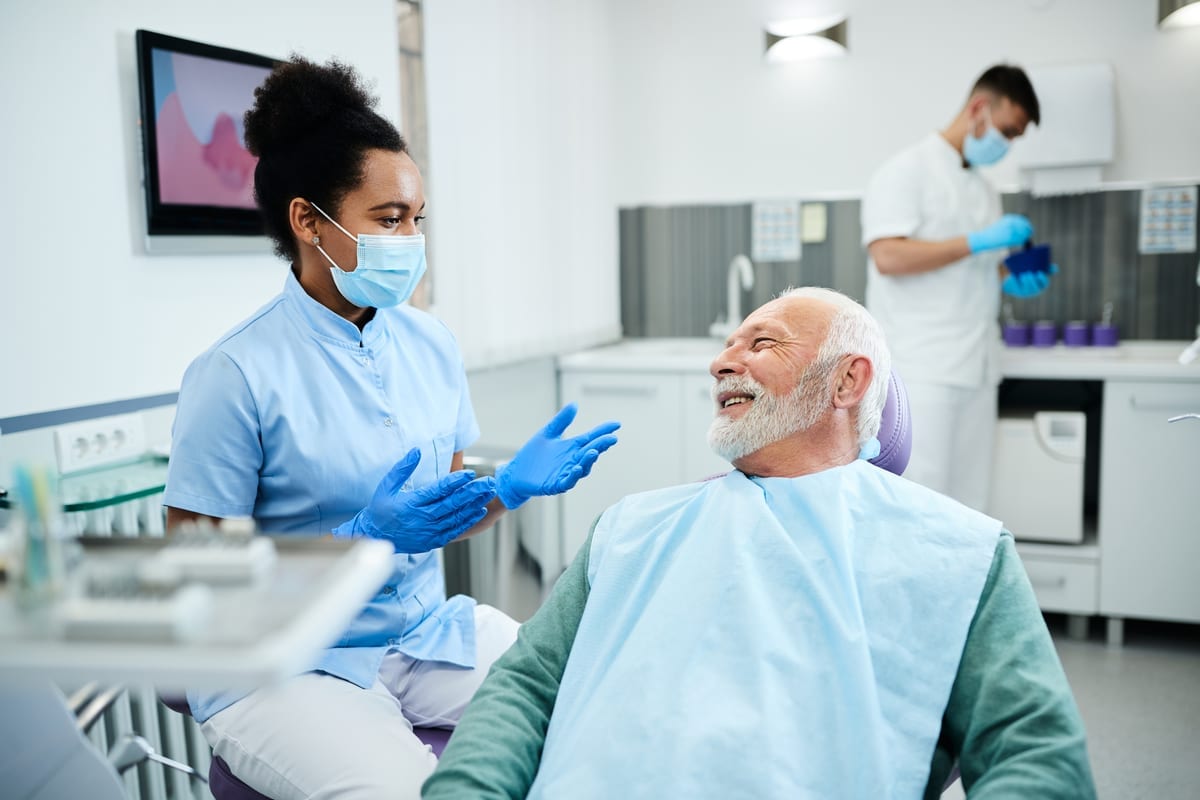
Coming in for a denture evaluation at Pinole Aesthetic Dentistry is a simple, straightforward process. Here is what typically happens during your visit:
- Review of your concerns: Dr. Seth listens carefully to how your dentures feel and any problems you have noticed.
- Clinical examination: She examines your gum tissue, jaw, and the fit of your current dentures.
- Bone assessment: Digital imaging may be used to evaluate the current state of your jawbone.
- Treatment discussion: Dr. Seth explains all appropriate options clearly, including relining, rebasing, or replacement.
- Personalized plan: You leave with a clear understanding of next steps tailored specifically to your situation.
There is no pressure and no rushed decision-making. The goal is simply to help you feel comfortable and informed. Every patient in Pinole deserves dentures that fit well and support their quality of life.
Conclusion: Do Not Ignore Loose Dentures
Loose dentures are a predictable result of natural bone changes — not a failure on your part. The key is recognizing the signs early and seeking professional guidance before the problem worsens. Whether you need a simple reline, a full rebasing, or a new set of dentures, solutions are available right here in Pinole. Dr. Shilpi Seth and the team at Pinole Aesthetic Dentistry are ready to help you find the right fit again. Book Now to schedule your appointment with our team.
Frequently Asked Questions
Why do my dentures feel loose even though they fit perfectly when I first got them?
Over time, the jawbone naturally shrinks after teeth are removed — a process called bone resorption. This changes the shape of your gums, which means dentures that once fit well gradually become too loose. It is a normal biological process, not a defect in your dentures.
How often should I have my dentures checked for fit?
Most dentists recommend a denture evaluation at least once a year. Regular checkups allow your dentist to detect changes in fit early and address them before they cause serious discomfort or accelerate bone loss.
What is the difference between denture relining and rebasing?
Relining adds new material to the inner surface of your existing denture to improve fit. Rebasing replaces the entire denture base while keeping the existing teeth. Relining is less involved, while rebasing provides a more thorough structural renewal of the appliance.
Can dental implants help with loose dentures?
Yes. Implant-supported dentures use titanium posts anchored in the jawbone to hold dentures securely in place. They also help stimulate the bone and slow further resorption. Many patients find implant-supported dentures far more comfortable and stable than traditional removable dentures.
Is it dangerous to keep wearing loose dentures?
Wearing ill-fitting dentures for extended periods can cause sore spots, gum irritation, and accelerated bone loss. It can also affect your ability to chew and speak properly. It is best to see a dentist as soon as you notice changes in your denture fit.